


- Oneclick.az
- Xəbərlər
- Lifestyle
- The World of Worldtimer Watches
The World of Worldtimer Watches
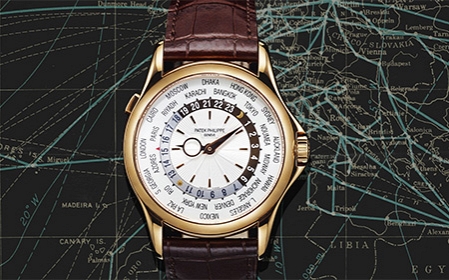
In the early 1930s, nearly 50 years after Greenwich, England was established as the prime meridian of the world’s 24 main time zones, Swiss watchmaker Louis Cottier created a mechanism to display them all on a single watch dial. By the end of the decade Vacheron Constantin had produced the first worldtimer pocket watch, and Patek Philippe is credited with creating the first Cottier-inspired World Time wristwatch. (Time has also been good to their value: In 2002 a 1939 platinum Patek Philippe World Time watch set a then record at auction, selling for more than $4 million.) By the 1950s Rolex tried to further simplify the complication by creating a watch, the GMT-Master, set to Greenwich Mean Time and a home location, a function especially useful for pilots.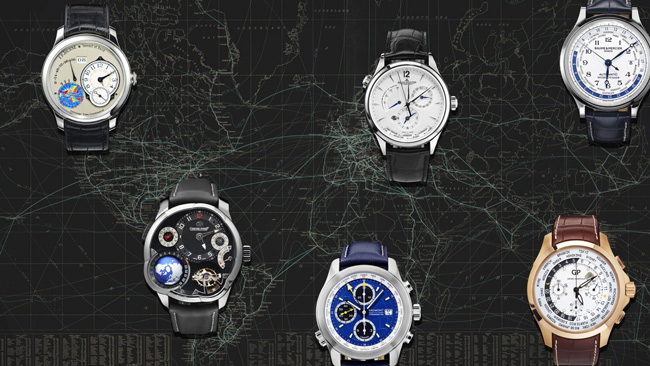
Today, of course, worldtimer watches are invaluable to every corporate Magellan who does business across multiple time zones. Patek still makes a World Time watch that looks remarkably similar to its early models, while Greubel Forsey has elevated the GMT with a rotating globe on the dial and a world time disc with 24 cities on the back of the movement. And every time you look at your wrist, you are reminded just how small a world it is after all.